
What was true in sales yesterday no longer is.
The hardest part is realising it, then driving the change. Keeshifts was founded to help SMEs and mid-sized companies do both.
Discover the founder's journeyWe still sell with the reflexes of the industrial age.
Much of what salespeople are still taught comes from an era of captive markets, poorly informed buyers and sellers in a position of strength. The vocabulary says it all: territory, target, hunter, closing. Selling inherited the language of conquest.
These reflexes see selling as a conquest: penetrate a market, lock in an account, make the buyer give in. Today, your clients research before they call you, decide as a group and compare everything. In front of them, this posture is not just dated. It costs you deals.
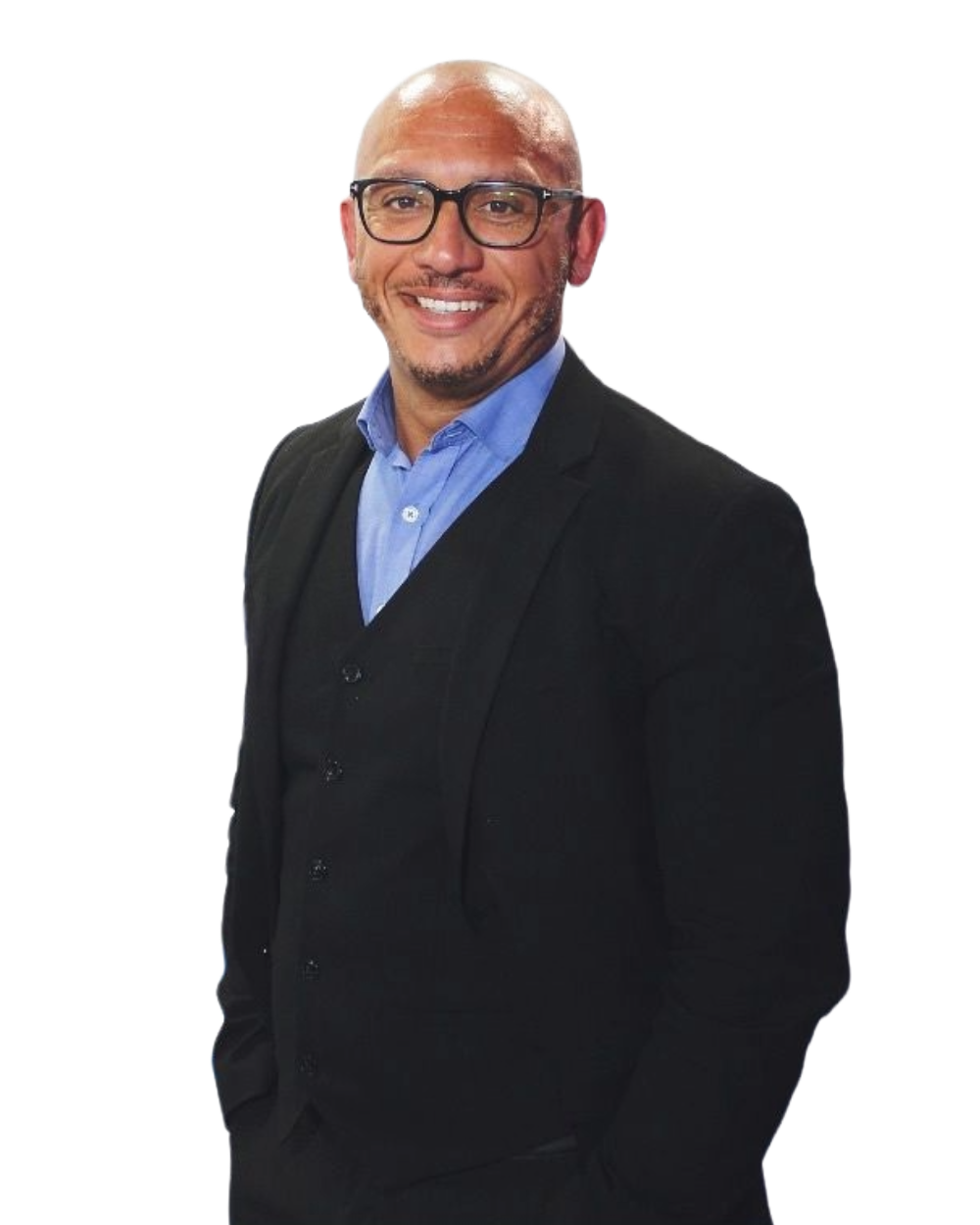
Freddy Couchy, founder of Keeshifts
Sales systems architect. Humanist by conviction.
Twenty years of hands-on B2B experience. Former Senior Client Director EMEA at Korn Ferry, now founder of Keeshifts and an independent contractor working with the firm on sales transformation programmes. One conviction emerged from these engagements: sales performance is systemic. It cannot be reduced to individual sales skills, a tool or a one-off training course. It comes from a system of organisation, processes, behaviours and management that works, or fails, as a whole.
His career has involved work with major groups in industry, aerospace, transport and services, on long sales cycles involving multiple decision-makers. These include:
What guides our work
A systems approach
Sales strategy, psychology, digital marketing, AI and sales enablement. Not separate disciplines, but a coherent system built around your context.
Ethics first
Selling that respects the buyer's intelligence. Creating value before capturing it. Building lasting relationships rather than isolated transactions.
A practical approach
No universal formula. A sales system designed for your context, informed by established global practices and grounded in day-to-day selling.
We do not reinvent sales methods. We adapt them to the conditions you face.
Established complex B2B sales methods were developed in North America. They have been tested for decades in large organisations worldwide. They work.
But they were designed for the US market, with a different negotiation culture, attitude to risk and buyer. Applied unchanged to French and European B2B sales, some elements work. Others do not.
Keeshifts has done that adaptation work. We retain what applies across markets and remove what does not fit. We add what most frameworks lack: psychology and behaviour as a core element, not an optional extra.
Twenty years working with major accounts. Real transformation programmes. Assumptions tested, validated and sometimes discarded. The result is proprietary methodologies designed for your sales context, not a US case study.
We do not sell another method. We help you change the basis of the sale, from products to value.
This is the hardest shift for a sales organisation to make. It is the shift Keeshifts supports.
Our commitment
Choose a partner committed to real change, not just positive feedback at the end of training.
- A sales systems architect, not a one-off trainer.
- An approach that connects strategy, human behaviour and delivery.
- Methods adapted to B2B SMEs and mid-market companies, drawing on established global practices.
- A multidisciplinary perspective: sales, psychology, AI, marketing and coaching.
- A partner who speaks plainly, even when the message is uncomfortable.
- A lasting commitment, not an intervention forgotten by the following Monday.
Ready to take a different approach?
Or keep teaching your teams the same techniques and hoping for different results.